20 Years for Homeowners: Make Redwood or Cedar Last, Ask for Heartwood
Homeowners: a contractor checklist to choose redwood or cedar. Prioritize heartwood percentage, flashing, and fasteners to extend deck and fence life.
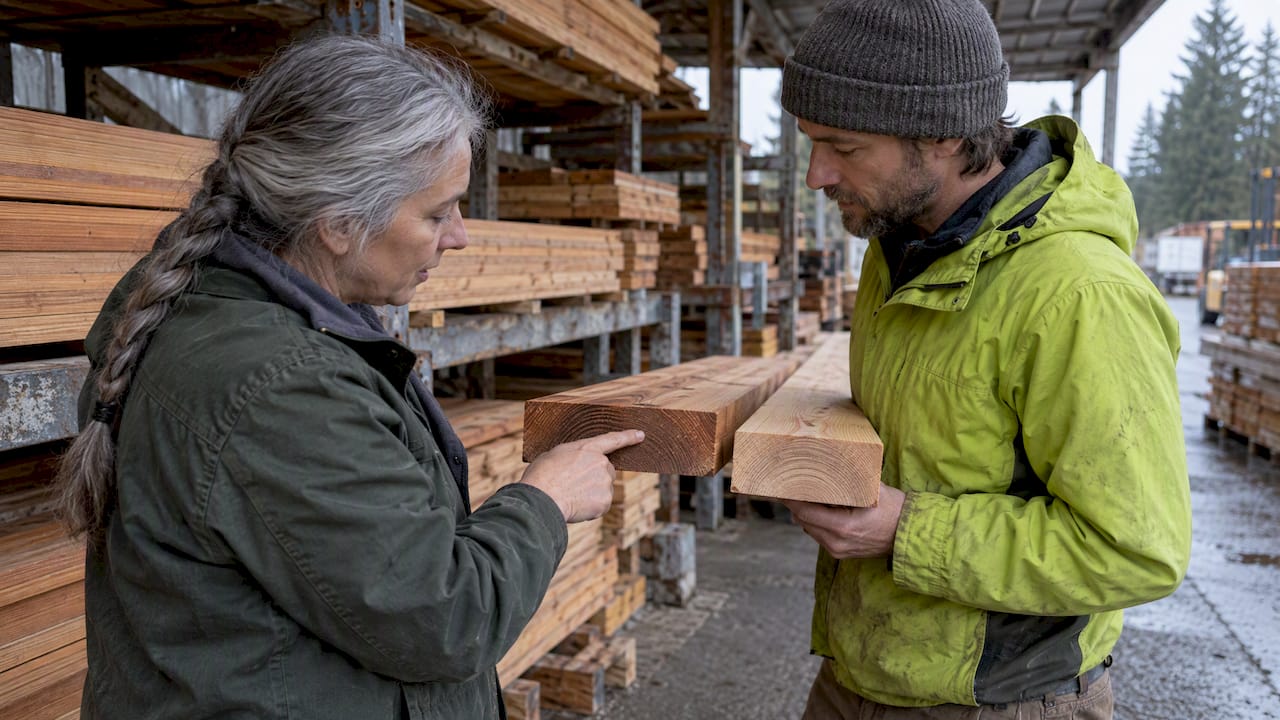
20 Years for Homeowners: Make Redwood or Cedar Last, Ask for Heartwood
For most homeowners who want deep color and dependable rot resistance, redwood heartwood is the stronger pick. Cedar wins on upfront cost and easier cutting and staining. The USDA Forest Service rates heartwood from both species as highly durable, and Janka hardness scores show they wear similarly. Both woods perform well when the grade is right.
TL;DR:
The durability of redwood and cedar heavily depends on heartwood content, with high heartwood percentages significantly extending life in above-ground applications.
Cost differences are mainly influenced by grade and supply, with cedar generally being less expensive because its premium heartwood is more readily available.
Proper sealing of end grain and horizontal joints, along with stainless steel fasteners, are crucial for prolonging the lifespan regardless of the wood species.
Both woods turn gray over time without stain or sealer, but solid-color stains last longer and require fewer reapplications than clear or semi-transparent options.
A focus on construction details and heartwood percentage, rather than species alone, determines long-term performance and value for decks and fences.
CactusdeckingPlan A Deck That LastsCactus Decking creates tailored outdoor living spaces with durable materials, careful construction, and warranty-backed installations in Everett.Explore Cactus Decking
Table of Contents
Appearance: color, grain, and how each wood ages
Durability, decay resistance, and dimensional stability
What upkeep each wood really needs
Cost and lifecycle value
A buying checklist to take to your contractor
How professional installers apply this comparison
Beyond decks and fences: where this wood shows up
Working with the wood: cutting, nailing, and staining
What actually matters when you choose between them
Sources
Appearance: color, grain, and how each wood ages
Redwood starts out a deep, reddish brown with a tight, straight grain that reads as formal and consistent board to board. Western red cedar runs a wider range, from honey blond to reddish amber, with more visible knots and grain variation depending on the cut.
Left unfinished, both woods eventually turn a silver gray as ultraviolet light breaks down the surface fibers. That patina is not damage, just a cosmetic shift, and plenty of homeowners let it happen on purpose. If you want to keep the original color, you need a plan:
Clear or semi-transparent stains show off the grain and need reapplication roughly every 2 to 3 years.
Solid-color stains hide more grain but last longer, often 4 to 5 years, before they need a refresh.
Water-repellent sealers alone slow the silvering but do little for color retention over time.
The Sequoia sempervirens technical sheet notes that redwood finishes well and holds its shape, which is part of why stain tends to look even and last predictably on it.
Durability, decay resistance, and dimensional stability
Here is where the data gets specific. The USDA Forest Service exposed-wood study classified heartwood from redwood and western red cedar among the species rated “most resistant,” with an expected average service life of at least 20 years above ground.
Climate changes that number. The same study found decay moved faster in test specimens in southern Mississippi, a severe decay hazard zone, than in Wisconsin, where conditions are milder. A redwood or cedar deck in a wet, mild coastal climate behaves differently than one baking and soaking through a humid southern summer.
Hardness matters for a different reason: dents and wear, not rot. Redwood and western red cedar both sit on the softer end of the Janka hardness scale compared with hardwoods, and the gap between the two species is modest rather than dramatic. Neither is a good choice where heavy furniture gets dragged across the surface daily.
Heartwood from redwood and western red cedar is rated among the most decay-resistant softwoods for above-ground use, according to the USDA Forest Service. This rating assumes heartwood usage in a moderate decay climate.
Board thickness and detailing push that number up or down. Thicker boards resist cupping and warping longer. Exposed end grain soaks up water faster than face grain, so any joint, cut end, or post top that is not sealed or flashed becomes the first place rot starts, regardless of species.
What upkeep each wood really needs
Both woods need a predictable rhythm of care, not constant attention. A yearly rinse and light scrub removes pollen, dirt, and mildew before it stains the surface. The Wood Database’s guidance on western red cedar points out that only heartwood carries the natural compounds (tannins in redwood, thujaplicins in cedar) that resist rot and insects, so sapwood boards weather unevenly and fail sooner no matter how well you maintain them.
Rinse and scrub once or twice a year to clear debris before it embeds in the grain.
Reapply stain or sealer every 2 to 5 years depending on the product and your sun exposure.
Ask for Clear All Heart grading on any board that will sit in standing moisture or deep shade.
Use stainless steel fasteners so corrosion does not streak the wood or loosen boards over time.
Flash any horizontal joints and keep end grain sealed or covered to stop the fastest path water takes into the wood.
Pro Tip: Ask your supplier for the heartwood percentage on a given batch, not just the species name. Two “redwood” orders can age very differently.
Cost and lifecycle value
Redwood typically costs more than cedar, and the gap tracks with grade and supply more than with anything inherent to the species. Several factors push the price up or down:
Grade: Clear All Heart boards cost more than construction-common grades with visible sapwood.
Scarcity: old-growth redwood is limited, which keeps premium grades priced higher.
Thickness: thicker stock resists warping but costs more per board foot and may change fastener and spacing choices.
Thicker redwood boards tend to cup less over time, which can reduce the labor needed for mid-life repairs. Over a full ownership cycle, the wood that needs less frequent refinishing or fewer board replacements can cost less overall even if the sticker price was higher at purchase. Our guide to cedar deck cost breaks down what typically drives the final number on a cedar project.
A buying checklist to take to your contractor
Before you call a supplier, rank what matters most to you: appearance, budget, low maintenance, or long-term durability. That ranking should drive every spec decision that follows.
Pick your priority first: color and grain, lowest upfront cost, least upkeep, or longest service life.
Ask for the heartwood percentage, since sapwood content is the single biggest factor in how fast a board fails.
Specify the grade, such as Clear All Heart, rather than leaving it to whatever is in stock.
Confirm board thickness and how it matches your joist spacing and expected foot traffic.
Decide on a finish plan before installation, since fresh wood takes stain differently than wood left to weather first.
Ask what fasteners the crew uses, since the wrong hardware undercuts even premium lumber.
Priority | Better fit | Why |
|---|---|---|
Richest color, formal look | Redwood heartwood | Straight grain, deep red tone |
Lower upfront cost | Western red cedar | Generally less expensive than redwood |
Easiest to cut and stain | Western red cedar | Softer, more forgiving to work |
Long service life in damp climates | Heartwood of either species | Both rated highly resistant by the USDA Forest Service |
For fences, where boards see less foot traffic, cedar’s lower cost often makes more sense. For decks, where wear and moisture pooling are bigger factors, redwood heartwood or a high heartwood-percentage cedar grade earns its price. If your budget is tight even at cedar’s lower end, alternatives like Alaskan yellow cedar or composite decking are worth a look. See our comparison of cedar and composite decking for that trade-off. For grading terms explained in more depth, our cedar decking grades guide walks through what to ask for by name.
How professional installers apply this comparison
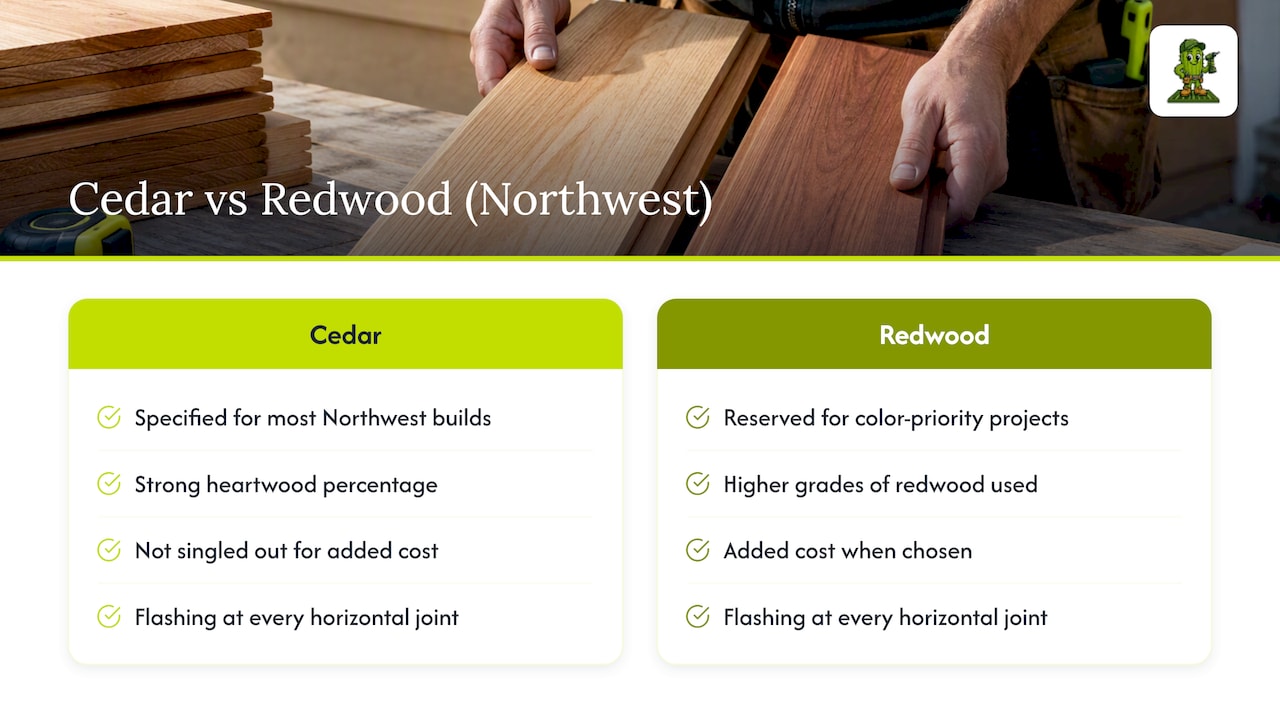
Generally, cedar with a strong heartwood percentage is specified for most builds in the Northwest climate, with higher grades of redwood reserved for projects where the homeowner has prioritized color and is comfortable with the added cost. Flashing at every horizontal joint and stainless fasteners are considered standard practice, as loose or corroding hardware can undo the benefit of a good grade.
Services relevant to this decision include deck design, deck installation, and deck replacement, each of which starts with a conversation about grade and finish before a single board is ordered. Ask any contractor to show you the heartwood percentage on the lumber they plan to use and to put warranty terms in writing.
Beyond decks and fences: where this wood shows up
Redwood and western red cedar both show up well past the backyard. Cedar is a common choice for exterior siding and roofing shingles, where its light weight and natural resistance to decay hold up under constant weather exposure. The Thuja plicata technical sheet lists shingles, lumber, and posts among its principal uses, which lines up with how often you see cedar on roofs and fence posts alike.
Redwood tends to show up in furniture, both indoor and outdoor, because its straight grain and dimensional stability keep joints tight as humidity shifts through the seasons. It is also a long-standing choice for interior paneling and trim in homes that want a warm, consistent wood tone without heavy maintenance, since indoor use removes the weathering concerns that drive outdoor upkeep.
Both woods turn up in outbuildings, pergolas, and planters, where their natural resistance to rot matters even without a deck’s structural demands. Cedar’s lower density also makes it a popular pick for closet lining, since its aromatic oils are mild insect repellents indoors, a use case that has nothing to do with strength or weather resistance and everything to do with the wood’s natural chemistry.
Working with the wood: cutting, nailing, and staining
Western red cedar is notably easy to cut, nail, and shape. Its lower density means less strain on saw blades and fewer split ends when nailing close to board edges, which is part of why cedar is a common recommendation for homeowners handling parts of a project themselves. The Thuja plicata technical sheet notes the wood’s light weight and small shrinkage, both of which make it predictable to work with over a build.
Redwood is also straightforward to cut and finish, though its tighter grain and higher density compared to cedar mean it holds screws and nails a bit more firmly, which some crews prefer for structural elements like stair stringers. Both woods accept stain evenly because neither has the dense, oily surface that causes blotching in some hardwoods.
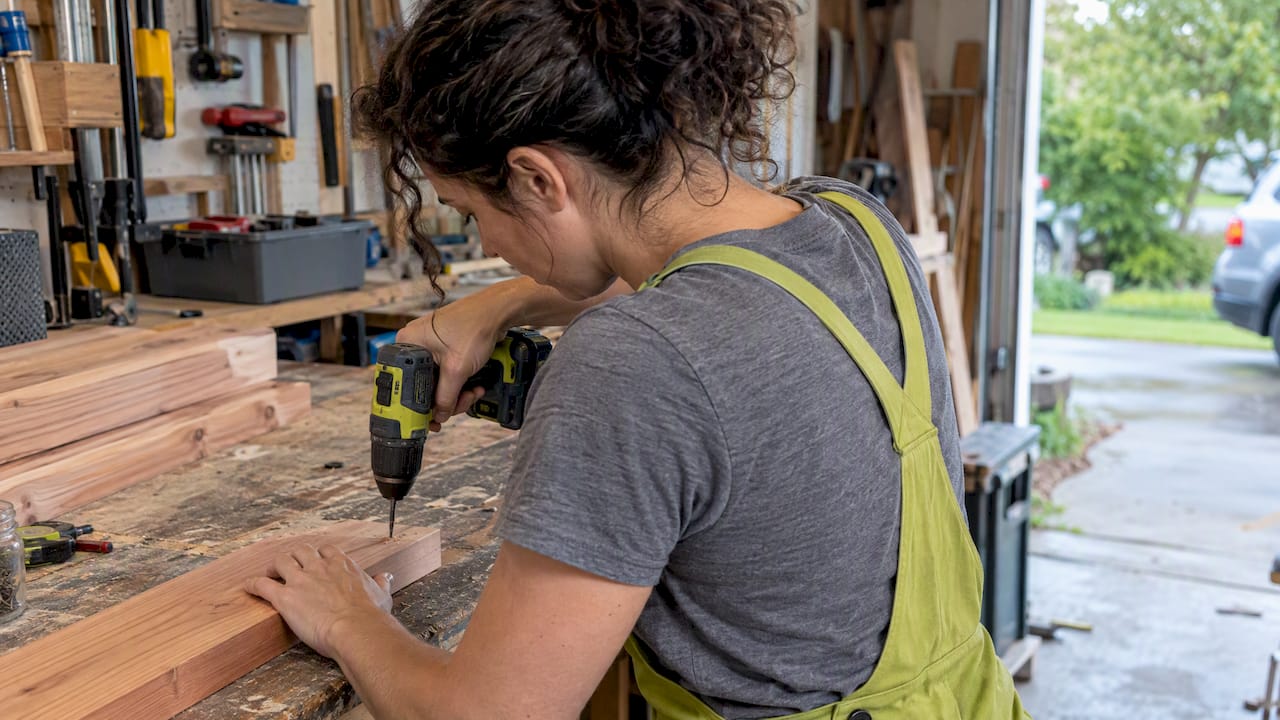
Pre-drilling near board ends prevents splitting in either species, especially with thinner stock. For anyone planning to clean or refinish a wood deck themselves, this guide to deck cleaning practices covers safe cleaners and frequency that apply to both redwood and cedar surfaces. If the job calls for professional refinishing, especially on a deck that has gone several seasons without attention, a service like this refinishing and sealing resource outlines what that process typically involves.
What actually matters when you choose between them
Most of the advice circulating online treats this as a simple species contest, redwood versus cedar, pick a winner. That framing misses the bigger lever. Heartwood content does more for your deck’s lifespan than the species name on the invoice. A cedar board that is mostly heartwood will outlast a redwood board loaded with sapwood, even though “redwood” sounds like the premium choice on paper.
The conventional advice also underweights construction detail. Flashing, fastener choice, and how end grain gets sealed or exposed often decide whether a deck looks good at year 15 or needs major repair at year 7, regardless of species. If you take one thing to a contractor, make it a question about heartwood percentage and hardware, not just a species preference. Budget and appearance should guide your pick between redwood and cedar. Grade and detailing should guide everything after that.
— Vlad
Sources
The USDA Forest Service exposed-wood study anchors the durability figures here. The Wood Handbook covers engineering properties in depth, while the species tech sheets for Sequoia sempervirens and Thuja plicata detail working properties and heartwood resistance.
FAQ
What is cheaper, redwood or cedar?
Western red cedar is generally less expensive than redwood, largely because redwood’s premium heartwood grades are scarcer and command a higher price. The exact gap depends on grade and thickness, so get quotes on the specific grade you want rather than assuming a fixed price difference.
How can you tell redwood from cedar?
Redwood tends to have a straighter, tighter grain and a deeper reddish brown color, while western red cedar shows more grain variation and a lighter color range from honey to reddish amber. A supplier or lumberyard can also confirm species from the stamp or paperwork that comes with graded lumber.
Is redwood or cedar more weather resistant?
Heartwood from both redwood and western red cedar is rated among the most decay-resistant softwoods for above-ground use by the USDA Forest Service, with an expected service life of at least 20 years in moderate climates. Sapwood in either species resists decay far less well, so the grade matters more than which of the two you choose.
Which is better for a fence, cedar or redwood?
Cedar is usually the better fit for fences, since fence boards see less foot traffic and wear than deck boards, making cedar’s lower cost the more practical trade. Redwood remains a solid option for fences where color and a formal, uniform look matter more than upfront price.